
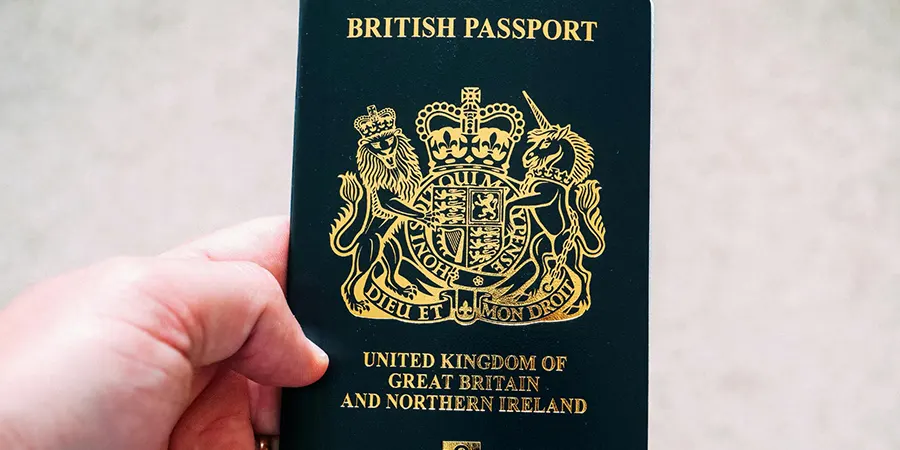
There is a moment that catches almost everyone leaving the UK off guard. The boxes are packed, the flights are booked, and then somewhere between cancelling the broadband and forwarding the post, a thought lands: hang on, what happens to my ISA?
It is a good question. Your investments do not disappear when you leave the UK, but the rules around them change in ways that are easy to miss and can cost you money if you ignore them. Below are the questions we hear most often from people making the move.
A quick note before we start: this article is here to explain how things generally work. It is not personal financial or tax advice. Everyone’s situation is different, so please speak to a qualified adviser before making any decisions.
“Once I move, does the UK stop treating me as a taxpayer?”
Not straight away, and this catches people out all the time.
The UK does not simply look at where you live. It uses a set of rules that count how many days you spend in the UK each year and how connected you still are to the country, for example whether you still have a home, family or a job there. Under these rules, plenty of people who feel like they have moved abroad still count as UK taxpayers for a while longer.
It is worth getting clear on this first, because everything else in this article depends on it. The rules rarely agree that you left the day your flight took off.
“Do I have to close my ISA?”
No. You can keep any ISAs you already have, and the UK will carry on treating them the same way: no UK tax on the growth or the income inside them.
What you lose is the ability to add more money. Once you no longer count as a UK resident, you cannot pay into an ISA. The only exception is for people working abroad for the UK government, such as diplomats and armed forces, and their husbands or wives. One thing to watch: if you have a monthly payment going into your ISA automatically, remember to stop it. Paying in after you have left is a small mistake that takes a lot of admin to fix.
“So my ISA stays tax-free, right?”
As far as the UK is concerned, yes. But here is the surprise: your new country probably will not see it that way.
An ISA is a UK invention, and its tax-free status only exists in UK law. Most other countries have never heard of it. Popular destinations like Spain, France, Portugal and Australia will usually treat the money inside your ISA like any ordinary savings or investment account, which means they can tax the growth and the income. The same ISA that was completely tax-free in Manchester can be fully taxed in Madrid.
That does not automatically mean keeping your ISA is a bad idea. It depends on where you are moving, what is inside the ISA, and your wider situation. But the question changes from “can I keep it?” to “is it still doing anything useful for me where I live now?”, and the answer is different from country to country.
“Will my investment platform let me keep my account?”
Maybe. Every UK platform and stockbroker has its own policy on customers who move abroad. When you update your address, one of three things usually happens: some let you carry on as normal, some let you sell what you own but not buy anything new, and some ask you to move your account somewhere else within a set time. If you move to an EU country, the platform may face extra restrictions on what it is allowed to offer you.
None of this is personal. It is simply about the rules the platform has to follow. But it is far better to find out their policy before you move than after, so you can choose your next step rather than have it chosen for you.
One tempting shortcut is best avoided: leaving a friend or relative’s UK address on the account so that nothing appears to change. This can break the platform’s rules and confuse your tax position in both countries, and it tends to come apart at the worst possible moment.
“What about tax when I sell investments at a profit?”
In the UK, when you sell an investment for more than you paid, the profit can be taxed. This is called capital gains tax.
Here is the interesting part: once you genuinely live abroad, the UK generally no longer taxes you on those profits, as long as the investments are not UK property. Sell shares while living in Portugal, and the UK usually has no claim on the gain.
Before you get too excited, there are two catches.
First, if you move back to the UK within five years, the UK can look back at what you sold while you were away and tax those profits after all. In other words, a short spell abroad does not wipe the slate clean.
Second, your new country will almost certainly want to tax those profits instead. Most countries tax the people living there on everything they earn worldwide, and some are tougher on investment profits than the UK. So you are not escaping tax on profits, you are usually just swapping one country’s rules for another’s.
UK houses and flats are the exception. Even after you leave, the UK still taxes profits when you sell UK property, and there are strict deadlines for reporting the sale.
“What about dividends and interest?”
Some good news first: when a UK company pays you a dividend and you live abroad, the UK generally does not take any tax off it before it reaches you.
The less exciting part is that your new country will normally tax that income instead. The UK has agreements with most countries that decide which country gets to tax what and stop you being taxed twice on the same money. These agreements can also affect how much tax you pay overall, which is why the same investment can leave you better or worse off depending on where you live.
“Should I be worried about my pension?”
Usually not. Your workplace pension or personal pension can normally stay exactly where it is when you leave the UK. Moving abroad does not mean cashing it in, and rushed pension decisions are among the hardest to undo.
What does change:
You generally cannot keep getting UK tax relief on new pension payments once you no longer earn money in the UK.
When you start taking money out, the agreement between the UK and your new country decides which of them taxes it. In some countries, it is the new country rather than the UK.
Some people who move abroad also look at moving their pension out of the UK into an overseas scheme. This is a complicated area with strict rules and real costs, and it is somewhere personal advice matters far more than anything you can read in an article.
The five things to remember
- Moving abroad and no longer counting as a UK taxpayer are not the same thing, and the difference matters.
- Your ISA stays open but you cannot add to it, and your new country will probably tax what is inside it.
- Check your investment platform’s policy on customers abroad before you book the flight.
- The UK mostly stops taxing your investment profits when you leave, your new country starts, and coming back within five years can bring the UK back into the picture.
- Pensions can usually stay where they are, and the big questions are about how the money is taxed when you take it out.
Every one of those points comes with an “it depends”, and what it depends on is your destination, your timing, and what you actually own.